Thinking about a move to Butler and wondering if it will feel too quiet, too busy, or just right? If you want a place with a real downtown, practical day-to-day convenience, and housing that still looks approachable by regional standards, Butler is worth a closer look. Here’s what living in Butler, PA looks like today, from housing and commuting to parks, events, and overall lifestyle. Let’s dive in.
Butler at a Glance
Butler is a compact city of about 13,000 residents located roughly 35 miles north of Pittsburgh. As the county seat of Butler County, it serves as a civic and commercial hub with a recognizable Main Street and a long industrial history.
What stands out today is the mix of small-city scale and practical access. You get a place with its own identity, active downtown revitalization, and a setting that still keeps Pittsburgh within reach.
What the City Feels Like
Butler does not read like a spread-out suburb. At 2.72 square miles, it feels more compact and connected, with an older street pattern, established neighborhoods, and a downtown core that gives the city a stronger sense of place.
If you like communities with visible history, Butler has that. Official city and cultural district materials highlight a downtown shaped by older civic buildings, historic architecture, and a steady focus on keeping the core active and relevant.
That gives daily life a different rhythm than you might find in newer development areas. Instead of endless subdivisions and commercial strips, Butler offers a more traditional city layout with civic landmarks, neighborhood parks, and local event spaces woven into everyday life.
Housing in Butler Today
For many buyers, housing is one of Butler’s biggest draws. Citywide data show a median owner-occupied home value of $108,100, which suggests Butler remains relatively affordable by regional standards.
The housing stock inside the city is not one-size-fits-all. Butler’s zoning includes low-, medium-, and high-density residential areas, along with central business and residential-office areas, which means you will see a mix of single-family homes, two-family properties, and some more compact multi-unit housing.
Older Homes and Historic Character
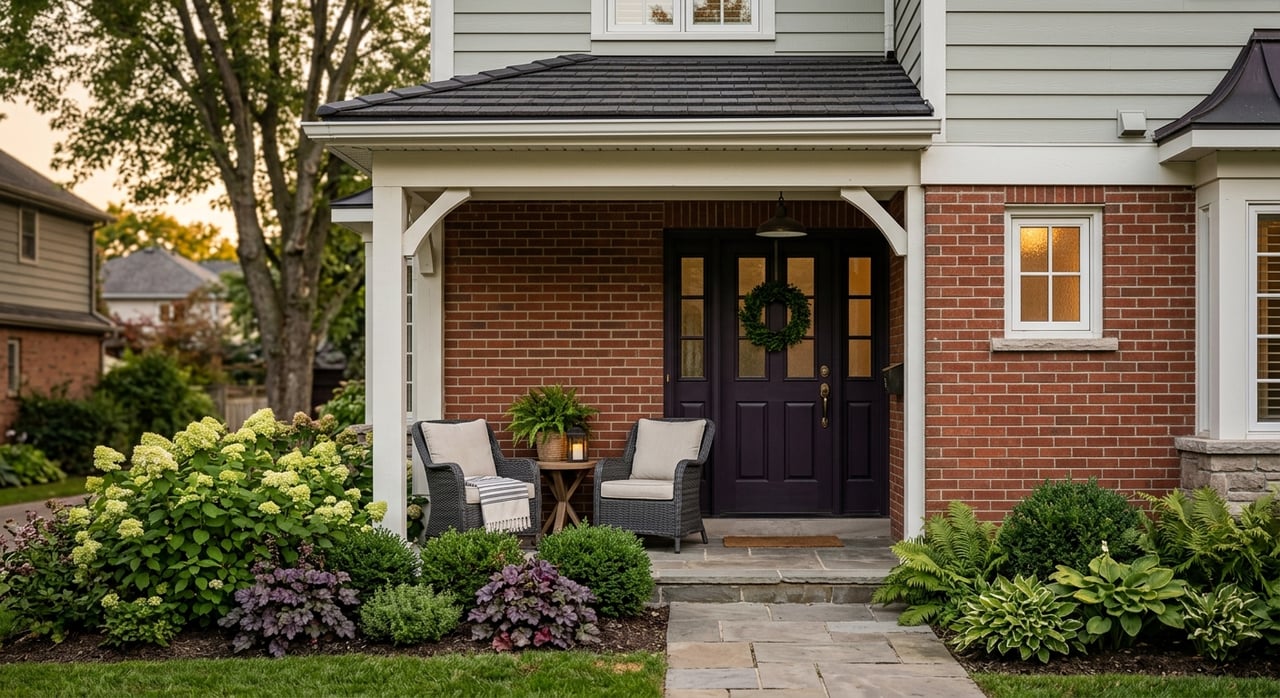
If you are drawn to older homes with character, Butler may feel especially appealing. Downtown and the surrounding historic core include architecture dating from about 1828 to 1952, with styles ranging from Late Victorian to Mid-19th-Century Revival.
The Butler Historic District and the Butler Cultural District highlight landmarks such as City Hall, the former U.S. Post Office, the Masonic Temple, Butler High School, St. Peter’s Anglican Church, and Butler Savings and Trust. That older built environment creates a more established, civic feel than what you would expect in a newer suburban area.
The Ritts Historical and Architectural District is another notable area for buyers who appreciate older residential character. The city created the district in 2018 and applies R-1 low-density residential standards there, reflecting an effort to preserve the area’s residential setting.
Lot Sizes and Housing Patterns
Butler’s lot sizes and housing patterns reflect its compact footprint. In R-1 low-density areas, single-family detached homes require at least 6,500 square feet of lot area and 75 feet of lot width.
In R-2 medium-density areas, single-family detached and two-family dwellings are permitted, with a minimum lot area of 5,000 square feet for single-family homes and 7,000 square feet for two-family properties. In R-3 high-density areas, the minimum lot area drops to 4,000 square feet for single- and two-family dwellings, with multiple-dwelling buildings and row dwellings also allowed under city standards.
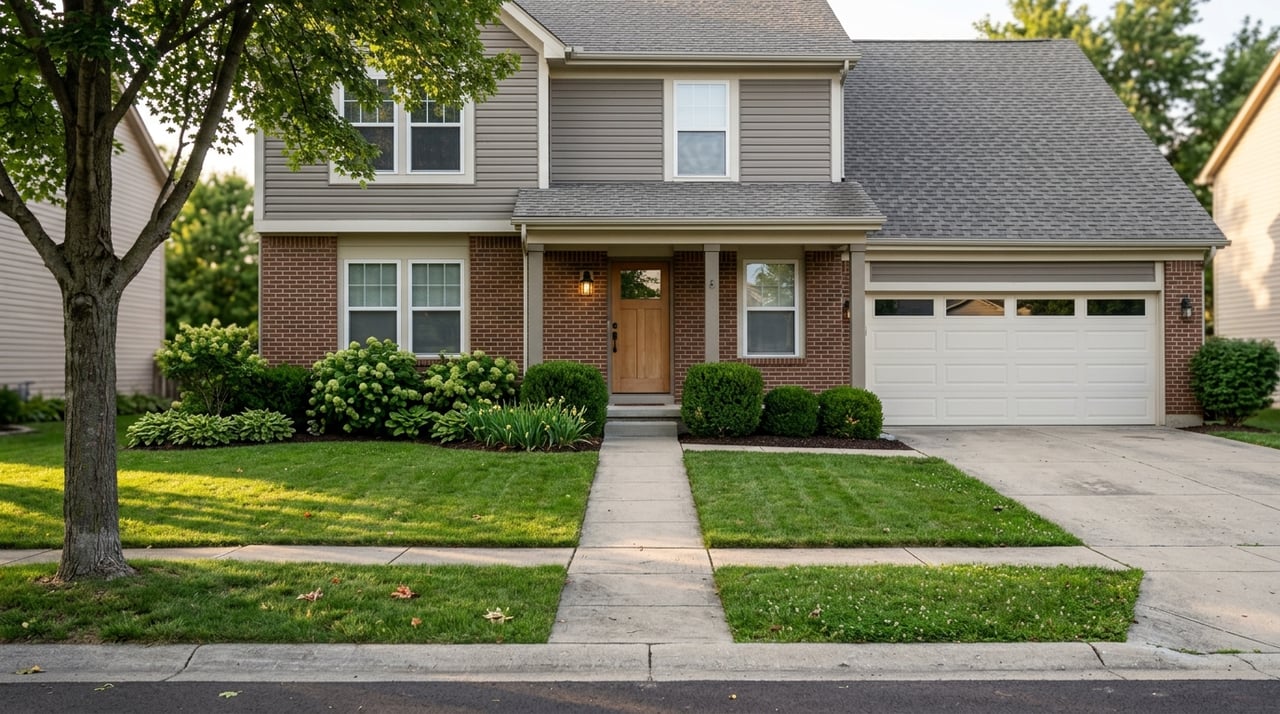
In practical terms, living in Butler often means smaller yards, older homes, and denser blocks closer to the core. If you want a character home and a manageable outdoor footprint, that can be a strong fit. If you want newer construction and larger suburban setbacks, you may find more options outside city limits.
Commuting and Getting Around
Butler offers a manageable daily travel pattern for many residents. Census-based data show a mean travel time to work of 22.1 minutes, which points to relatively practical commuting for a small city.
Driving will likely be part of your routine for many errands and appointments. At the same time, Butler Transit Authority adds another layer of convenience with five local fixed routes in the city and commuter service between Butler and Pittsburgh.
Local Transit Options
The local bus network helps connect older residential areas and everyday destinations. Current route schedules show stops across city locations including Whitestown, Renaissance, Cunningham, and the Terminal, which suggests transit still plays a meaningful role in daily movement inside Butler.
For commuters heading toward Pittsburgh, Butler Transit Authority also operates service via Route 8 and Route 28, as well as via Route 68, I-79, and I-279. Park-and-ride access and downtown Pittsburgh and East Busway destinations can make that option useful if you want an alternative to driving the full trip.
Parks and Outdoor Recreation
If you like having simple outdoor options close to home, Butler offers more than you might expect from its size. The city maintains Memorial Park, Father Marinaro Park, Ritts Park, Rotary Park, and Doughboy Park, along with Institute Hill Playground, South Hills, and Whippo Avenue playgrounds.
These spaces support the kind of recreation that fits everyday life. City materials specifically note biking, hiking, picnics, tennis, and skateboarding as part of the local outdoor picture.
One especially useful feature is access to the Butler-Freeport Trail from Father Marinaro Park on the Southside. For residents who want a nearby trail connection without leaving town, that adds real value to the lifestyle mix.
Ritts Park also includes pickleball courts, with scheduled YMCA use noted for 2026. Small details like that matter because they show how local parks are used in a practical, ongoing way rather than serving as purely decorative green space.
Downtown Life and Community Events
One of Butler’s strongest lifestyle advantages is that it does not rely on a single annual event to create energy. Downtown Butler has a steady event calendar that helps the city feel active across the year.
Examples from the current calendar include Main Street Spring Cleanup Day, Sips in the City, Foodie Fridays, the Butler City Farmers Market opening, Jeep Invasion, Cruise-a-Palooza, fireworks from Pullman Park, Steeples & Stacks Heritage Festival, and Butler Fall Festival.
That kind of schedule creates a community rhythm. You are not just living near downtown. You are living near a place that regularly hosts public events, seasonal activities, and shared gathering points.
Arts, History, and Local Identity
The Butler Cultural District adds another layer to downtown living. Its programming includes architectural tours, murals, performing arts, exhibits, live music, family events, and heritage-focused experiences like the Historic Mansions of Butler walking tour.
Butler also has a well-known hometown connection through the Bantam Jeep Heritage Festival. The city highlights that story as part of its local identity, tying it to the first Jeep and a Guinness World Record parade.
Taken together, these details give Butler a personality that blends industrial history, civic pride, and an unusually active event culture for a city its size.
Is Butler a Good Fit for You?
Butler tends to appeal most to buyers who want a small city with history, a recognizable downtown, and housing costs that may feel more accessible than some nearby markets. It can be a strong option if you value older homes, modest lot sizes, and a setting where parks, transit, and community events are part of the local fabric.
It may be less ideal if your top priority is newer subdivision living or a large-lot suburban feel. In that case, surrounding Butler County communities may offer a better match.
For the right buyer, though, Butler offers something increasingly hard to find: a city with character, practical convenience, and a lived-in sense of place. If you want help sorting through Butler neighborhoods, comparing city living to nearby communities, or finding the right resale home for your goals, Jennie Spohn-Rousseau is ready to help.
FAQs
What is the overall lifestyle like in Butler, PA?
- Butler offers a compact small-city lifestyle with a historic downtown, established neighborhoods, local parks, community events, and access to Pittsburgh about 35 miles to the south.
What kind of homes can you find in Butler, PA?
- Butler includes a mix of single-family homes, two-family properties, and some more compact multi-unit housing, with many older homes and smaller lots especially near the city core.
Is Butler, PA affordable for homebuyers?
- Citywide data show a median owner-occupied home value of $108,100, which suggests Butler remains relatively affordable by regional standards.
What is commuting like from Butler, PA?
- Butler’s mean travel time to work is 22.1 minutes, and residents can use local bus routes as well as commuter service to Pittsburgh through Butler Transit Authority.
Are there parks and trails in Butler, PA?
- Yes. The city maintains several parks and playgrounds, and the Butler-Freeport Trail is accessible from Father Marinaro Park on the Southside.
Does Butler, PA have an active downtown?
- Yes. Downtown Butler hosts a regular lineup of events such as Foodie Fridays, the farmers market opening, seasonal festivals, and heritage-focused programming through the Butler Cultural District.