If you are looking for a place that feels grounded, walkable in its historic core, and connected to Butler County life, Saxonburg may already be on your radar. This small borough offers a distinct mix of preserved character, community traditions, and practical access to the surrounding region. If you are wondering what it is really like to live there, this guide will walk you through housing, daily life, commuting, and what to consider before you buy. Let’s dive in.
What Makes Saxonburg Stand Out
Saxonburg is a compact borough in Butler County with about 1,202 residents and a footprint of roughly 0.89 square miles, according to Census Reporter. Its small size is a big part of its appeal. You are not looking at a spread-out suburb here. You are looking at a place with a defined center and a more intimate everyday rhythm.
The borough’s identity is closely tied to its history. According to the Saxonburg history page, the town was founded in 1832 by John Augustus and Frederick Charles Roebling, and that planned-settlement origin still shows in the preserved Main Street core.
Daily Life in Saxonburg
Main Street Shapes the Experience
In Saxonburg, Main Street is more than a road. It is the visual and social center of town. Experience Butler highlights the borough’s bricked sidewalks, gaslight-style streetlights, historic plaques, and local storefronts, all of which help create a classic small-town feel.
That layout matters when you are choosing where to live. In practical terms, many community activities and day-to-day experiences appear to cluster around the historic core. If you value a town with a recognizable center instead of a more dispersed suburban pattern, Saxonburg offers that setup.
Community Events Are Part of the Culture
One of the clearest signs of Saxonburg’s character is its calendar. The borough highlights recurring events such as Mingle on Main, the Saxonburg Festival of the Arts, and the Holiday Parade, and the community calendar also includes events like the Artisan Market, Movie in the Park, and Spooky Streets.
For you as a buyer, that can say a lot about daily life. Saxonburg has been described by the borough as an all-volunteer community, and that civic involvement shows up in its traditions, public events, and local organizations. If you want a place where community participation is visible, Saxonburg may feel like a natural fit.
Housing in Saxonburg
Older Homes Define the Market
Saxonburg’s housing stock is one of its most distinctive features. The National Register nomination for the Saxonburg Historic District notes that the district includes many older residential and mixed-use buildings constructed between 1831 and 1952, with architectural styles such as Greek Revival, Italianate, Eastlake, Dutch Colonial Revival, and Late Gothic Revival. About 80% of the district is residential.
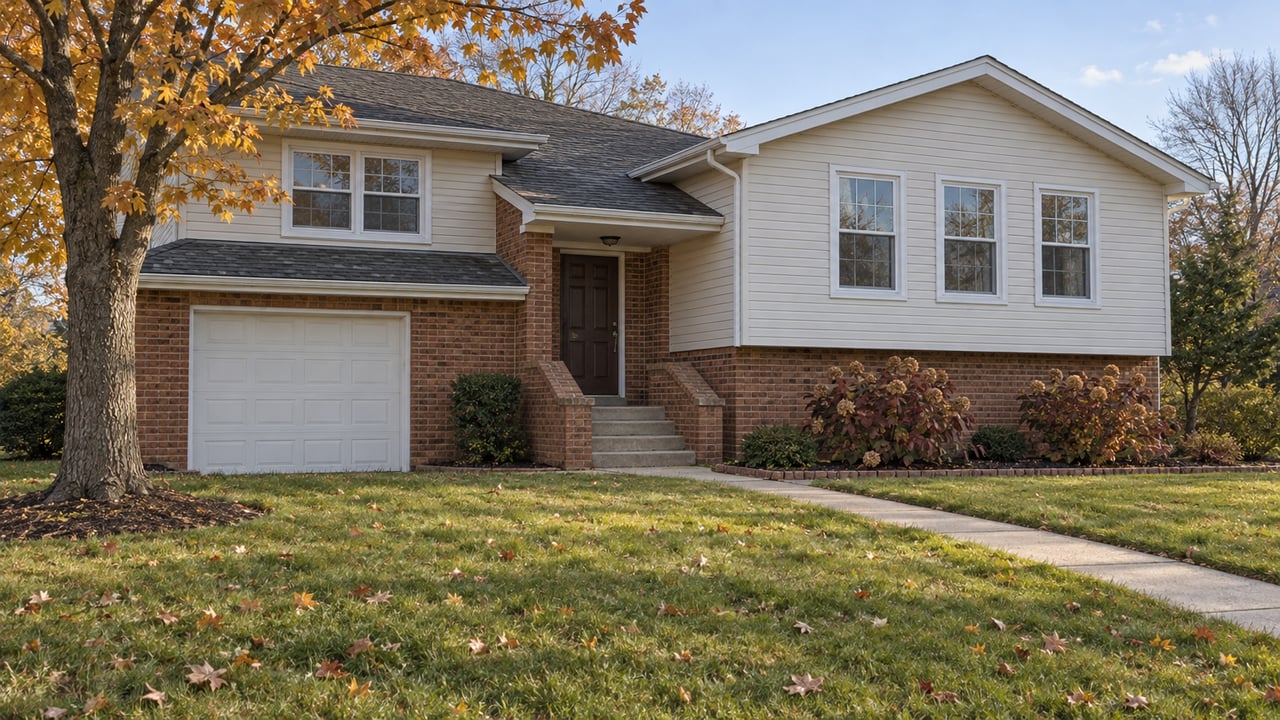
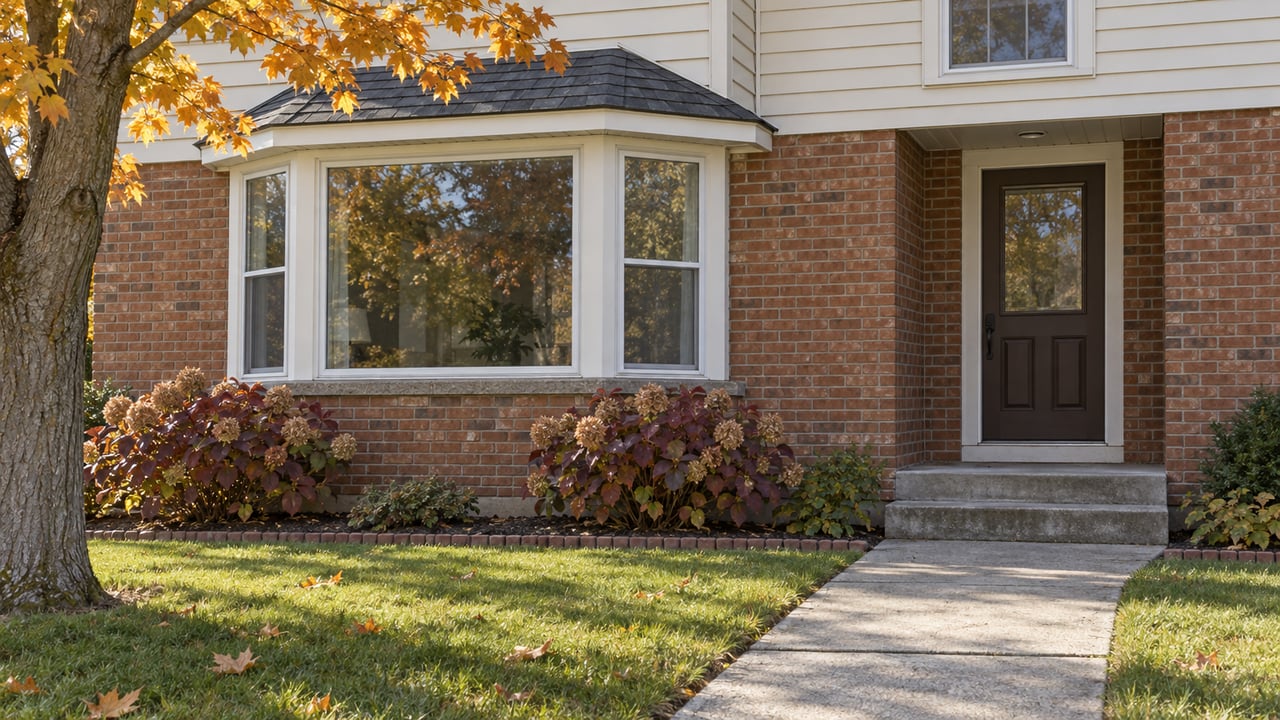
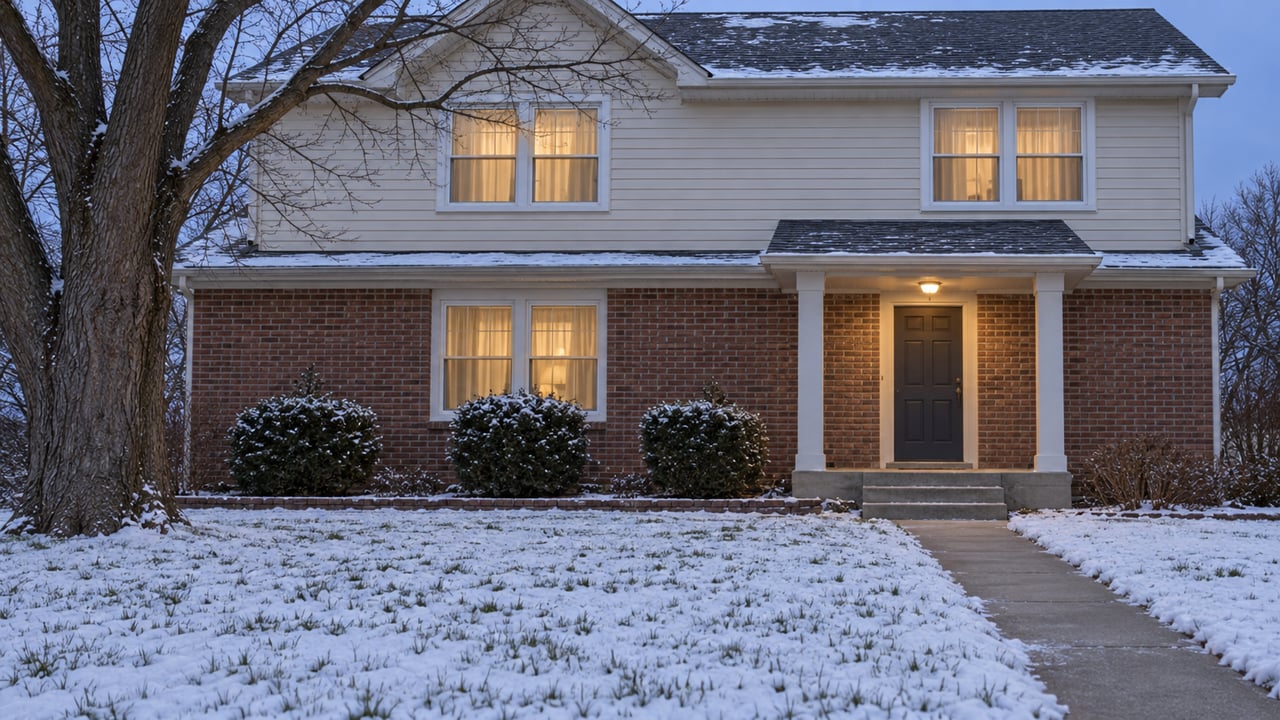
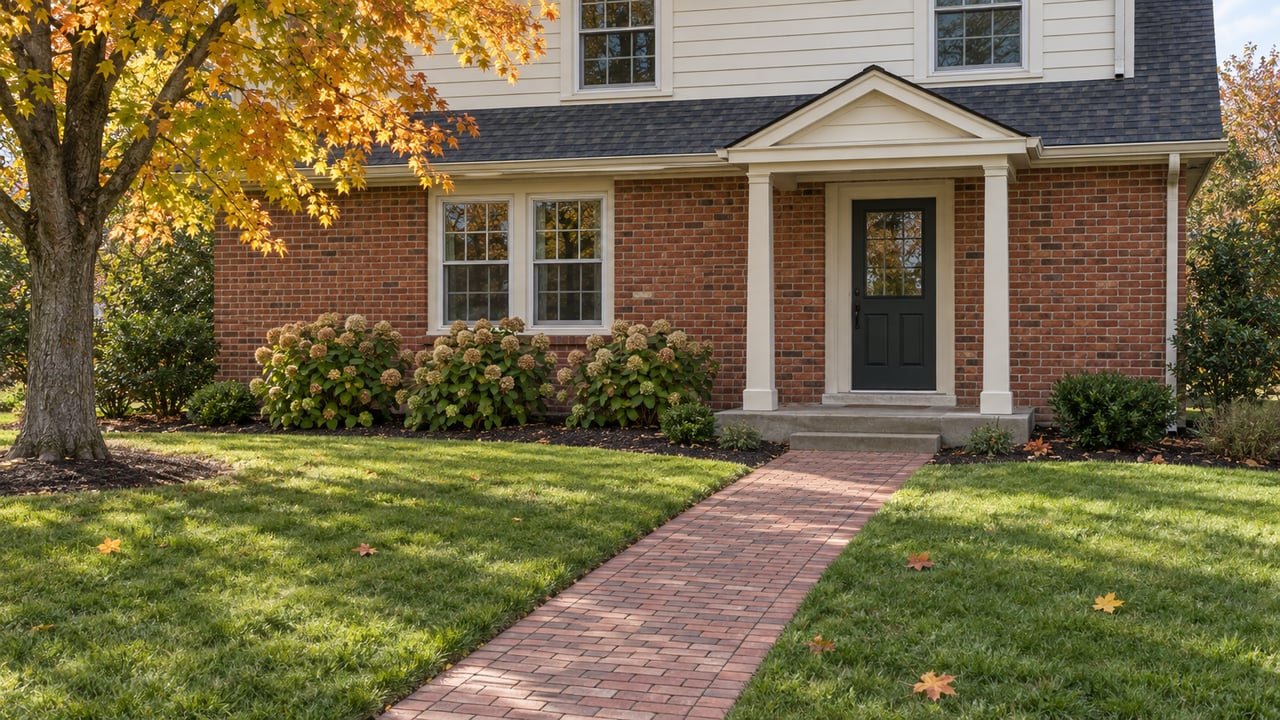
That means if you are drawn to older homes with character, Saxonburg offers real substance. You may find properties with details and street presence that are hard to replicate in newer developments. At the same time, older homes often come with maintenance considerations, renovation questions, and style-specific updates to think through before you buy.
Historic District Rules Matter
If you are considering a home within the historic district, it is important to understand the review process. The borough’s HARB page and resident/realtor guide explain that the Historic Architectural Review Board reviews certificates of appropriateness for work in the district.
That does not mean buying in the district is a bad idea. It simply means you should go in informed. The same guide also outlines practical details buyers often want to know, including lien letters, utility providers such as Pennsylvania American Water, West Penn Power, and Peoples Gas, plus the fact that recycling is required and trash service is not tied to a single vendor.
What the Numbers Show
Saxonburg is a relatively small housing market, and the available data reflects that. Census Reporter lists the median owner-occupied home value at $220,600 and the median household income at $44,559 in the 2024 ACS.
These figures help frame the market, but they do not tell the whole story of any individual home. In a place like Saxonburg, value can be shaped by historic location, lot placement, property condition, and how updated a home is compared with others nearby.
Parks and Public Spaces
Roebling Park Adds a Central Gathering Place
Roebling Park plays an important role in community life. The borough says the park is in the northeast corner of Saxonburg and includes Roebling’s wire rope shop, a replica of the Brooklyn Bridge, and space for rentals and special events.
The Parks and Recreation Department also coordinates food-truck events, the Festival of the Arts, and Mingle on Main. For you, that means public space is not just decorative. It is actively used and woven into the town’s social calendar.
Commuting and Convenience
Expect a Car-Oriented Routine
Saxonburg offers charm and regional access, but daily life is still largely car-oriented. Data USA reports that 80.1% of workers drove alone to work in 2023, with an average commute of 23.3 minutes and an average of two cars per household.
That is useful context if you are comparing Saxonburg with more urban or transit-heavy locations. If you are comfortable driving for work, errands, and many routine trips, the borough’s setup will likely feel familiar. If you need dense public transit or a fully car-free lifestyle, this may be a less natural fit.
Regional Access Still Matters
Even though Saxonburg is small, it is connected. The borough notes that part of its road system is maintained by the state and part by the borough, and it also points residents to Butler Transit Authority commuter bus service and the RideBTA fare platform.
For many buyers, the practical takeaway is balance. You get a smaller-town home base while keeping access to Butler and the broader Pittsburgh area for work or regional travel needs.
Who Saxonburg May Fit Best
Saxonburg can be a strong match if you want a compact borough with a clear sense of place. It especially stands out for buyers who like older homes, a historic Main Street setting, and frequent local events tied to the community calendar.
It may be less appealing if you want a large retail footprint, dense transit options, or a more modern subdivision feel. As Experience Butler and the borough resources suggest, Saxonburg’s appeal comes from its historic core, civic traditions, and smaller-scale daily experience.
What to Consider Before Buying in Saxonburg
Before you buy in Saxonburg, it helps to look beyond the listing photos and think through how you want your daily routine to feel. A home here may offer charm and location, but the right fit depends on your comfort with an older housing stock, a small-town layout, and a car-centered lifestyle.
A few questions to ask yourself include:
- Do you want a home with historic character and possible maintenance tradeoffs?
- Would you enjoy living near a defined town center with community events?
- Are you comfortable driving for most errands and commuting needs?
- If you buy in the historic district, are you prepared to learn the approval process for exterior changes?
If those answers lean yes, Saxonburg may offer the kind of setting that feels both distinctive and practical.
Final Thoughts on Living in Saxonburg
Saxonburg offers something many buyers are trying to find but do not always see clearly in an online search: a real sense of place. Its preserved Main Street, older homes, active event calendar, and central public spaces create a small-town environment that feels intentional rather than generic.
If you are exploring homes in Saxonburg or comparing it with other Butler County communities, working with a local agent can help you weigh the details that matter most, from historic-district considerations to pricing, condition, and day-to-day fit. When you are ready to talk through your move, connect with Jennie Spohn-Rousseau for informed, local guidance.
FAQs
What is daily life like in Saxonburg, PA?
- Daily life in Saxonburg centers around its historic Main Street, local events, and community gathering spaces like Roebling Park, giving the borough a small-town rhythm with activities clustered near the town core.
What types of homes are common in Saxonburg, PA?
- Saxonburg is known for older homes and historic residential buildings, especially within the historic district, with architecture dating from the 1800s through the mid-1900s.
What should buyers know about the Saxonburg historic district?
- Buyers should know that exterior work in the historic district may require review through the borough’s Historic Architectural Review Board, so it is important to understand those guidelines before purchasing.
Is Saxonburg, PA good for commuters?
- Saxonburg can work well for buyers who are comfortable with a car-oriented routine, and data shows most workers drive, with regional access available to Butler and the Pittsburgh area.
Are there community events in Saxonburg, PA?
- Yes, Saxonburg has a busy community calendar that includes Mingle on Main, the Festival of the Arts, holiday events, markets, and other local traditions throughout the year.