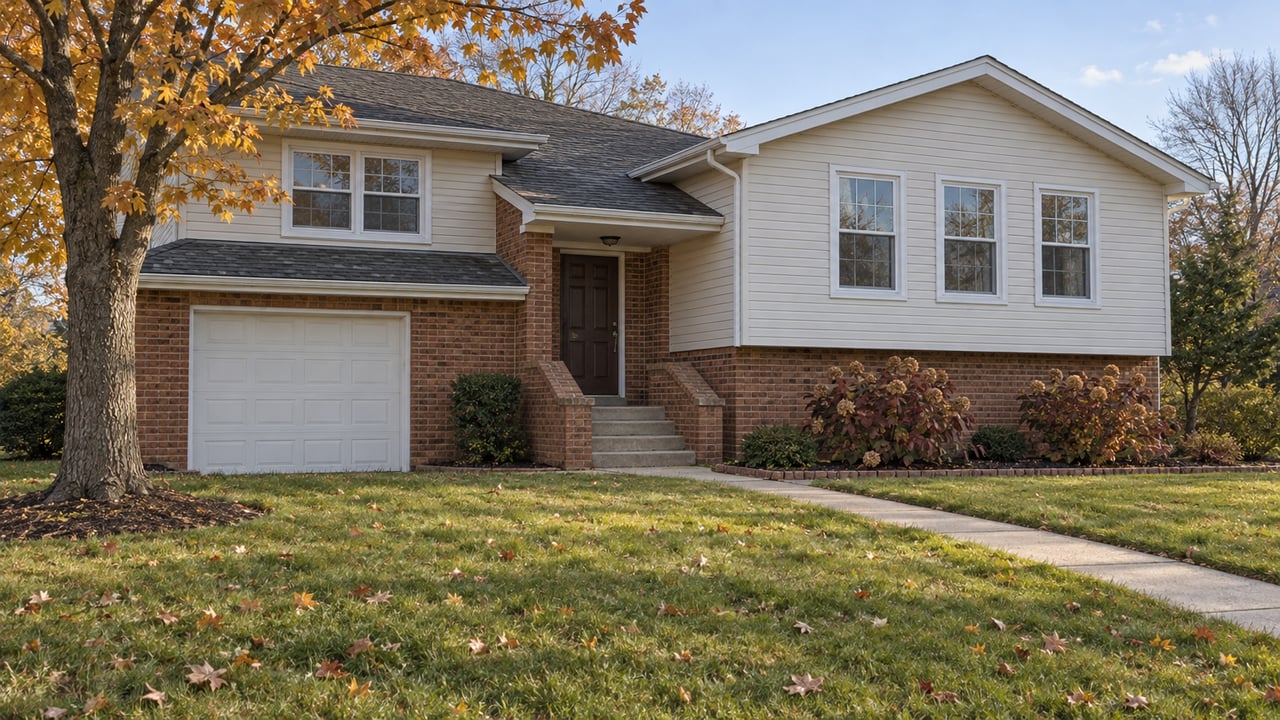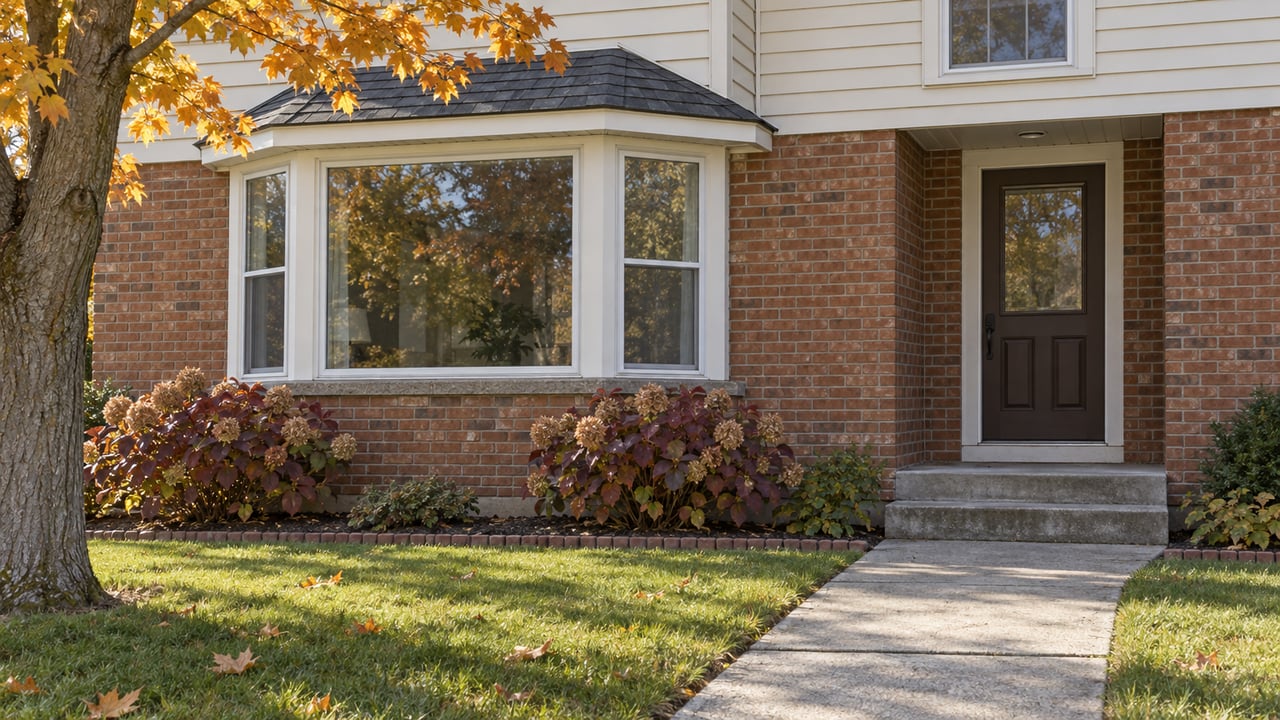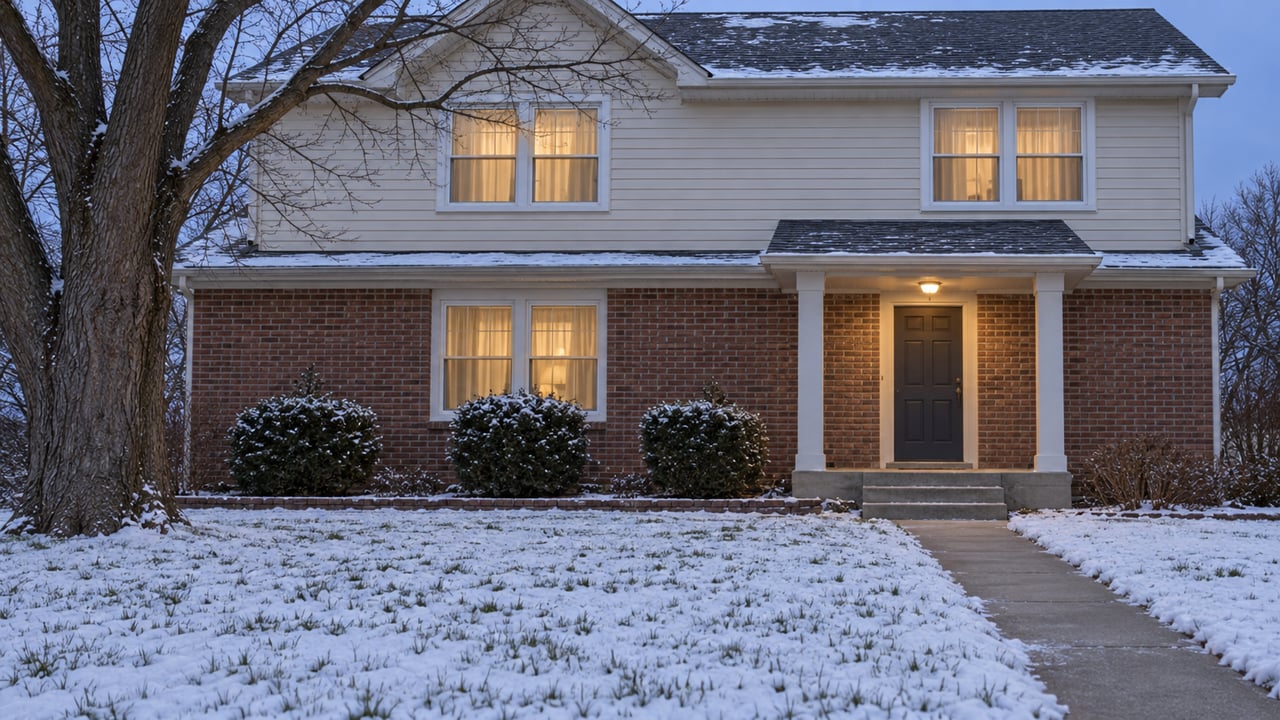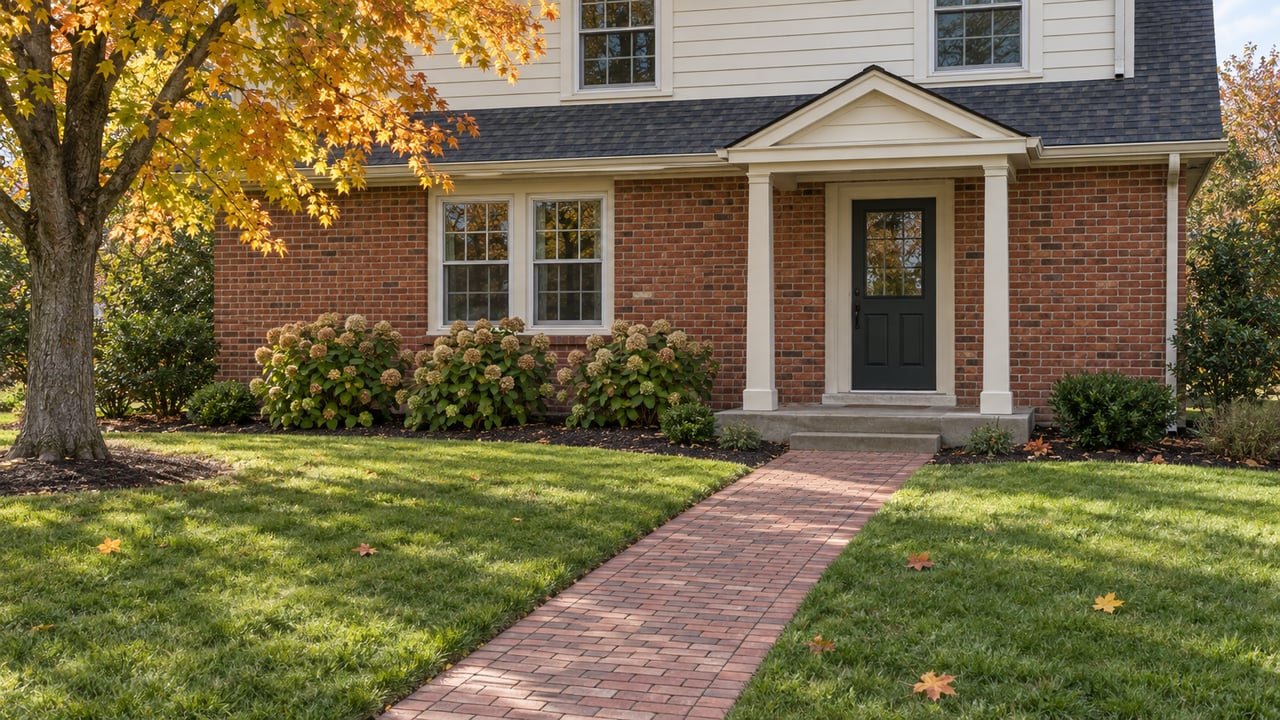
If you are deciding between an older home and a newer one in Saxonburg, you are not just comparing floor plans or finishes. You are weighing character, upkeep, location, and the kind of projects you may take on after closing. The good news is that once you understand how Saxonburg’s historic housing stock, permit rules, and local setting shape the decision, the right fit becomes much clearer. Let’s dive in.
Why this choice feels different in Saxonburg
Saxonburg has a housing story that stands out in Butler County. The borough was founded in 1832, and some homes from the 1830s are still in use on Main Street. Buildings from the 1840s through 1900 also help define the look and feel of the community.
That means older homes are not a side note here. They are part of Saxonburg’s identity, especially around the Historic District, which spans most of Main Street. If you love established streetscapes and historic character, Saxonburg gives you plenty to consider.
It also means truly newer construction inside the historic core may be more limited. For many buyers, the real choice is not only older versus newer, but also whether to focus inside the borough’s historic areas or look just outside the core for more recently built homes.
Saxonburg housing at a glance
Saxonburg is a small borough with 1,202 residents and about 0.9 square miles, according to the 2024 ACS profile. The same profile shows 674 housing units, 59% owner-occupied housing, and 62% single-unit structures.
The median owner-occupied home value is $220,600. That is below Butler County’s median of $294,200, which can be helpful context if you are comparing a character-filled older home in Saxonburg with newer options in nearby areas.
What older homes can offer you
Older homes in Saxonburg often appeal to buyers who want charm that is hard to replicate. You may find original details, established lots, and walkable proximity to Main Street. In a borough with roots going back nearly two centuries, that kind of setting carries real appeal.
You may also appreciate the feeling of an established streetscape. Homes built across the 1800s and early 1900s create a look that feels cohesive and grounded in local history. For some buyers, that sense of place matters just as much as square footage.
Another benefit is that older homes can open the door to a home with personality at a price point that compares favorably with some surrounding areas. That does not mean every older home is a bargain, but it does mean you should look at value through more than just age.
What older homes may require
The tradeoff with older homes is usually more due diligence. As you tour properties, pay close attention to signs of deferred maintenance in the roof, windows, paint, plumbing, and mechanical systems. A home’s charm is important, but so is understanding what work may be waiting for you.
If the home is in Saxonburg’s Historic District, exterior changes may need borough review before work begins. The borough specifically asks owners to call before painting, ordering signage, or installing a roof or windows so the project can be cleared first.
If the home was built before 1978, lead-related rules matter too. Sellers of most pre-1978 housing must disclose known lead-based paint or hazard information. If you plan renovations that disturb painted surfaces, using EPA-certified lead-safe contractors is an important step.
What newer homes can offer you
Newer homes tend to appeal to buyers who want fewer immediate projects after move-in. Because Pennsylvania’s Uniform Construction Code governs new construction and many substantial alterations, newer homes are more likely to align with current code and energy-code requirements.
That can matter in everyday life. A home that starts closer to current efficiency standards may feel more comfortable and may reduce the need for early updates. Permit packages for some projects may also require energy compliance documentation, which reflects how closely efficiency is tied to current construction standards.
If you want a home that feels more move-in ready from day one, newer construction may better match your goals. This can be especially helpful if you are balancing a busy schedule, a relocation, or a simultaneous sale and purchase.
What newer homes may ask you to compromise on
In Saxonburg, choosing newer may mean widening your search area. Because of the borough’s small size and historic core, newer inventory may be more likely outside the most historic parts of town.
That does not make it a worse option. It simply means your search may involve a tradeoff between age and location. You may gain newer systems and lower upfront maintenance, while giving up some of the historic setting that draws buyers to Saxonburg in the first place.
Compare older and newer homes in Saxonburg
| Factor | Older Homes | Newer Homes |
|---|---|---|
| Character | Often have historic details and established streetscapes | Usually offer more current finishes and layouts |
| Location | Common in and around Saxonburg’s historic areas | May be more available outside the historic core |
| Maintenance | May need more repairs or updates | Often require fewer immediate projects |
| Renovation planning | Exterior work may need borough review in the Historic District | Still subject to permits for many projects, but usually with fewer historic-review issues |
| Lead considerations | Pre-1978 homes may require lead disclosures and lead-safe renovation steps | Less likely to involve pre-1978 lead concerns |
| Efficiency baseline | May need upgrades like air sealing and insulation | More likely to start closer to current standards |
Key questions to ask before you decide
Is the home in the Historic District?
This is one of the first questions to answer in Saxonburg. The Historic District spans most of Main Street, and that can affect what you can do to the exterior and when borough review is needed.
If you already know you want to replace windows, repaint the exterior, or update the roof, ask about that early. It is much better to understand the process before you buy than to learn about it after closing.
Was the home built before 1978?
If so, expect lead-related disclosures as part of the transaction. If you plan renovations, especially projects that disturb painted surfaces, factor lead-safe work practices into your budget and timeline.
This does not mean you should avoid older homes. It just means you should go in informed and prepared.
How much work is visible today?
When you walk through the property, look beyond cosmetic appeal. Signs of wear in roofing, paint, windows, plumbing, and mechanical systems can tell you a lot about near-term costs.
A home does not need to be perfect to be the right choice. You just want the condition, price, and your project tolerance to line up.
What permits may be required?
In Pennsylvania, a UCC building permit is required before most construction or building work begins. Inspections may also be required for many additions, alterations, or changes to electrical, gas, mechanical, or plumbing systems.
If you are the kind of buyer who enjoys improving a home over time, this is still very manageable. The key is understanding that meaningful projects often come with a formal process.
Do not forget closing and utility details
As you move toward closing, a few Saxonburg-specific details are worth knowing. The borough requires a lien letter, and the Saxonburg Area Authority also requires a lien letter for properties in its service area. The resident guide also notes that the SAA does not require a dye test.
For utilities, the borough guide lists Pennsylvania American Water, West Penn Power, and Peoples Gas as the main providers serving most properties. These details may seem small, but they can help you prepare for a smoother transition.
How to choose the right fit for your goals
If you love history, want a distinct setting, and do not mind extra planning for maintenance or future updates, an older Saxonburg home may be exactly right for you. You may get character and location that newer homes simply cannot copy.
If you want fewer projects, more code-current construction, and a simpler move-in experience, a newer home may be the better fit. You may just need to stay flexible on where that home is located relative to Saxonburg’s historic core.
In the end, this is less about which type of home is better and more about which one fits your budget, timeline, and comfort level. A smart decision starts with knowing what questions to ask before you fall in love with a house.
If you want help comparing older and newer homes in Saxonburg, understanding local considerations, and building a search strategy that fits your goals, Jennie Spohn-Rousseau is here to help.
FAQs
What should you know about older homes in Saxonburg before buying?
- Older homes in Saxonburg can offer historic character and established locations, but you should closely review maintenance needs, whether the home is in the Historic District, and whether lead-related rules apply for pre-1978 construction.
What makes newer homes in Saxonburg appealing to buyers?
- Newer homes often appeal to buyers who want fewer immediate repairs and construction that is more likely to align with current Pennsylvania code and energy-code requirements.
What Historic District rules matter for Saxonburg homebuyers?
- If a property is in the Historic District, exterior projects such as painting, signage, roof work, and window work should be cleared with the borough before work starts.
What permit rules apply to home renovations in Saxonburg, Pennsylvania?
- Pennsylvania requires a UCC building permit before most construction or building work begins, and inspections may be needed for additions, alterations, or changes to electrical, gas, mechanical, or plumbing systems.
What lead-paint steps apply to pre-1978 homes in Saxonburg?
- Sellers of most pre-1978 homes must disclose known lead-based paint or hazard information, and renovation work that disturbs painted surfaces should be handled with lead-safe precautions using EPA-certified contractors.
What closing details should buyers expect for homes in Saxonburg?
- The borough requires a lien letter, the Saxonburg Area Authority also requires a lien letter for properties in its service area, and the borough guide says the SAA does not require a dye test.